
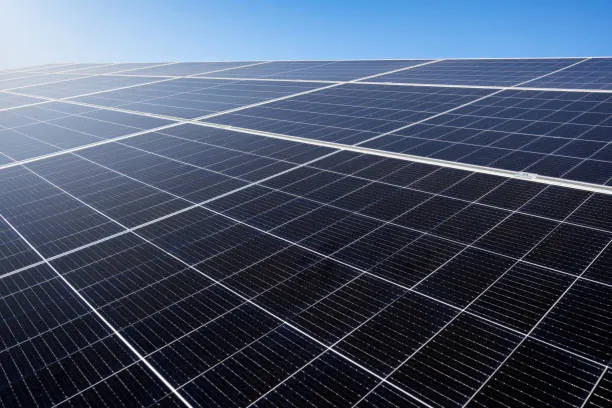
Solar panels are an excellent long-term investment, offering clean energy, lower electricity bills, and reliable performance for 25 years or more. But to ensure your system continues generating maximum power, regular maintenance is essential. Dust, debris, shading, wiring issues, and weather conditions can all reduce efficiency over time.
This guide covers the most effective solar panel maintenance tips to help you keep your system performing at its best.
1. Keep Your Solar Panels Clean
Why Cleaning Matters
Dirt, pollen, bird droppings, and pollution can block sunlight and significantly reduce energy output—sometimes by 10–25%.
Cleaning Tips
- Use clean water and a soft brush or microfiber cloth.
- Avoid abrasive materials that may scratch the glass.
- Clean early morning or late afternoon to prevent rapid drying or thermal shock.
- For hard water stains, use mild soap or a vinegar-water solution.
How Often to Clean
- Every 3–4 months in dusty climates
- Twice a year in cleaner environments
- After sandstorms, heavy pollen seasons, or construction activity near your home
2. Inspect Panels for Damage
Over time, panels may develop minor issues that can affect performance. Perform visual inspections:
What to Look For
- Cracks or chipped glass
- Hot spots (darkened or burned-looking areas)
- Loose frames
- Water damage or moisture under the glass
- Burn marks at module junction boxes
If you notice damage, contact a professional immediately.
3. Check Wiring and Connections
Wiring issues are common in older or improperly installed systems and can lead to:
- Power loss
- Safety hazards
- Inverter errors
Maintenance Tips
- Inspect cables for corrosion, wear, or rodent damage.
- Ensure connectors are tight and sealed.
- Check that grounding wires are still intact.
Never handle electrical components on your own—call a licensed solar technician.
4. Monitor System Performance Regularly
Modern solar systems come with monitoring apps or web dashboards.
Monitor Key Metrics
- Daily energy production
- Inverter status
- Voltage and current output
- Power fluctuations
Why Monitoring Matters
- Helps detect shading problems
- Identifies system failures early
- Tracks seasonal variations
- Ensures your panels are operating at peak efficiency
If you notice sudden drops in power output, schedule a professional inspection.
5. Trim Nearby Trees and Remove Shade
Shade is one of the biggest performance killers.
What You Should Do
- Trim branches that cast shadows on your panels.
- Keep trees trimmed throughout the year as they grow rapidly.
- Consider microinverters or power optimizers if shading is unavoidable.
Even a small shaded area can affect an entire string of panels in traditional inverter systems.
6. Maintain the Inverter
Your inverter is the heart of your solar system. If it fails, your panels can’t convert power.
Inverter Maintenance Tips
- Keep the area around the inverter clean and ventilated.
- Check indicator lights regularly (green = good; red/orange = issues).
- Listen for unusual noises.
- Review the inverter’s error logs via your monitoring system.
Inverters typically last 10–15 years, so plan for replacement during your system’s lifetime.
7. Clean Around the Panels
Clearing debris around your solar setup helps with airflow and prevents pests.
Tips
- Remove leaves and twigs from around mounting structures.
- Check for bird nests beneath roof-mounted panels.
- Keep the roof area clean to reduce fire risk.
Some homeowners install bird netting to prevent pigeons and small animals from nesting under panels.
8. Schedule Annual Professional Maintenance
While DIY checks help, a certified solar technician can spot issues you may miss.
A Professional Service Includes:
- Infrared (thermal) scanning
- Electrical connection testing
- Inverter diagnostics
- Structural mount inspection
- Detailed performance analysis
This annual check-up ensures long-term reliability and protects your warranty.
9. Check and Maintain Batteries (For Hybrid/Off-Grid Systems)
If your system includes solar batteries:
Maintenance Tips
- Keep batteries in a cool, dry environment.
- Inspect terminals for corrosion.
- Maintain proper ventilation.
- Check the state-of-charge regularly.
- Follow manufacturer guidelines for optimal performance.
Lithium batteries require very little maintenance, but lead-acid batteries may require water top-ups and regular equalization cycles.
10. Protect Panels From Extreme Weather
Storms, hail, and heavy winds can impact solar systems.
Tips
- Ensure panels are securely mounted.
- Install hail-resistant or tempered glass modules.
- After storms, check for debris or damage.
- For snow, gently remove accumulation with a soft roof rake.
Avoid using hot water on cold panels, as it can cause cracking.
Final Thoughts: Keep Your Solar System Running at Peak Efficiency
With proper maintenance, your solar panels can operate at 95–100% efficiency for many years. Regular cleaning, monitoring, professional inspections, and proactive care ensure you get the most out of your renewable energy investment.