
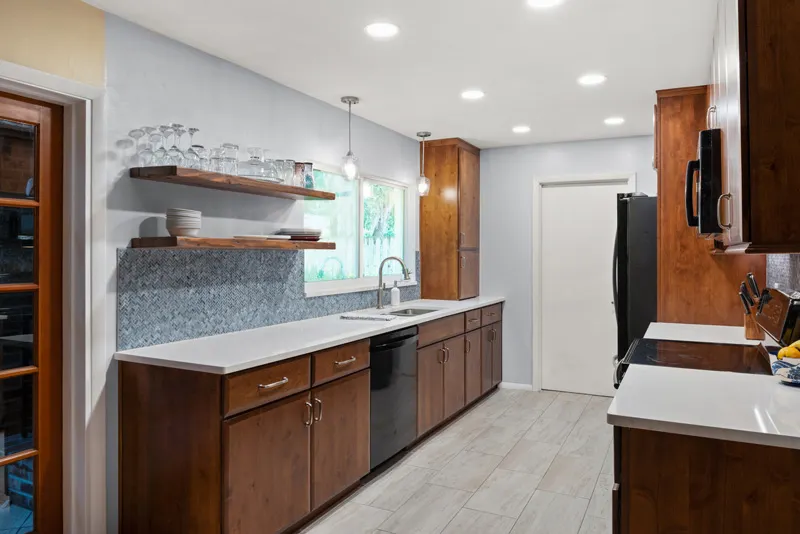
A kitchen remodel is one of the most impactful upgrades you can make to your home. Whether you’re aiming for a modern look, improved functionality, or higher resale value, planning is the key to achieving a successful renovation. With so many decisions to make—from layout and materials to appliances and lighting—a clear checklist ensures you stay organized, on budget, and on schedule.
Use this essential kitchen remodel checklist to guide you through every stage of planning, budgeting, and designing your dream kitchen.
1. Start With Your Vision and Goals
Before diving into materials and measurements, identify the purpose and goals of your remodel.
Ask yourself:
- Do you want a more modern, updated aesthetic?
- Are you trying to improve storage and functionality?
- Do you need more prep space or a better layout?
- Is the remodel focused on resale value or long-term living?
- What styles inspire you—minimal, farmhouse, industrial, or traditional?
Clear goals will shape your design decisions later on.
2. Set a Realistic Budget
Your budget determines how far your remodel can go. Establishing realistic financial limits early prevents stress and overspending.
Include costs for:
- Cabinets
- Countertops
- Flooring
- Appliances
- Plumbing and electrical work
- Lighting
- Labor and installation
- Permits and inspections
- Unexpected expenses (keep a 10–20% contingency)
Tip: Prioritize high-impact upgrades like cabinets, countertops, and appliances if you’re working with a limited budget.
3. Evaluate Your Current Kitchen Layout
Understanding what works—and what doesn’t—will help you design a more functional kitchen.
Consider:
- Does the current layout follow the “kitchen work triangle”?
- Are there bottlenecks or unused areas?
- Is storage adequate?
- Do you need additional outlets or lighting?
- Is there enough room for multiple people to cook comfortably?
You can choose to stick with the existing layout (budget-friendly) or redesign it for better flow and usability.
4. Choose Your Kitchen Layout
Once you understand your needs, decide which layout matches your lifestyle and space.
Popular kitchen layouts include:
- L-shaped
- U-shaped
- Galley kitchen
- One-wall kitchen
- Open-concept kitchen
- Island or peninsula layouts
Selecting the right layout affects everything from workflow to lighting to appliance placement.
5. Select Your Design Style
Your kitchen’s design style sets the tone for cabinets, colors, finishes, and décor.
Trending styles include:
- Modern minimalist
- Scandinavian
- Farmhouse
- Transitional
- Industrial
- Coastal-inspired
- Classic traditional
Stick to a cohesive style to ensure a polished, professional look.
6. Plan Your Storage Solutions
Smart storage is essential for a clutter-free and functional kitchen.
Consider adding:
- Pull-out pantry shelving
- Deep drawers for pots and pans
- Hidden appliance garages
- Corner storage solutions
- Vertical spice racks
- Under-sink organizers
- Built-in trash and recycling bins
Maximizing storage reduces countertop clutter and improves workflow.
7. Choose Cabinetry and Hardware
Cabinets often take up the largest portion of the kitchen renovation budget, so choose carefully.
Decide on:
- Material (solid wood, MDF, plywood)
- Door style (shaker, slab, raised panel)
- Finish (painted, stained, lacquered)
- Hardware style and color
Upgrading hardware—such as handles and knobs—can instantly elevate the look of your kitchen.
8. Pick Your Countertop Materials
Countertops balance beauty, durability, and maintenance requirements. Choose the right surface based on your cooking habits and budget.
Popular options:
- Quartz (durable and low maintenance)
- Granite (natural and heat-resistant)
- Butcher block (warm and timeless)
- Marble (luxurious but requires care)
- Laminate (budget-friendly)
9. Plan Lighting for Function and Style
A well-lit kitchen is both beautiful and practical.
Include three types of lighting:
- Ambient lighting: General illumination (ceiling lights, recessed lighting)
- Task lighting: Illuminates work areas (under-cabinet lights, island pendants)
- Accent lighting: Highlights details (strip lighting, display cabinet lighting)
Layered lighting ensures safety, comfort, and aesthetic appeal.
10. Choose Your Appliances Early
Appliance sizes affect your cabinet and countertop measurements, so decide early.
Consider:
- Energy-efficient models
- Built-in appliances
- Smart features
- Finish (stainless steel, black stainless, matte white)
Prioritize appliances you use most—like the stove, refrigerator, and dishwasher.
11. Pick Flooring That Suits Your Lifestyle
Kitchen flooring should be durable, easy to clean, and stylish.
Popular choices:
- Luxury vinyl plank (LVP)
- Tile (ceramic or porcelain)
- Engineered hardwood
- Laminate flooring
Choose materials that can withstand spills, foot traffic, and heat.
12. Don’t Forget Ventilation
A proper ventilation system keeps your kitchen fresh and extends the lifespan of appliances and finishes.
Choose between:
- Wall-mounted range hood
- Under-cabinet hood
- Island chimney hood
- Built-in or downdraft systems
Powerful ventilation prevents grease buildup and removes odors.
13. Work With the Right Professionals
Whether you hire a contractor, designer, or go the DIY route, make sure you understand project timelines and communication expectations.
Ask professionals about:
- Project schedule
- Permits required
- Material lead times
- Warranties
- Payment schedules
Hiring experienced pros helps avoid costly mistakes.
14. Create a Timeline
A realistic timeline helps you stay organized and reduces disruptions.
Typical phases include:
- Planning and design
- Demolition
- Electrical and plumbing
- Flooring installation
- Cabinet installation
- Countertop fabrication
- Lighting and hardware installation
- Final inspection and cleanup
Having a clear schedule keeps the project on track.
Final Thoughts
A kitchen remodel is a major investment, but thoughtful planning ensures a smooth, rewarding experience. By following this essential checklist—covering planning, budgeting, design, materials, and workflow—you’ll be well-prepared to create a kitchen that’s beautiful, functional, and built to last.