
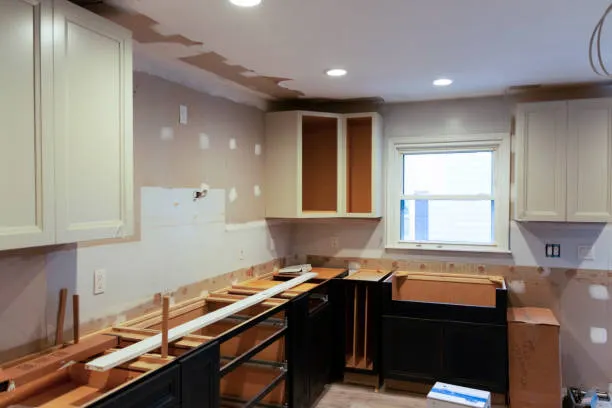
Kitchen cabinets are one of the most important elements of any kitchen remodel. They influence the overall look, functionality, and value of your space. With countless materials, styles, and price options available, choosing the right kitchen cabinets can feel overwhelming. This guide breaks down everything you need to know—from cabinet construction and materials to design styles and cost ranges—so you can make the best decision for your home and budget.
1. Understanding Cabinet Types and Construction
Before exploring materials and styles, it’s important to know the different types of cabinets and how they’re built.
Cabinet Types
- Base Cabinets: Installed on the floor and support countertops.
- Wall Cabinets: Mounted on the wall for storage of dishes, glasses, and dry goods.
- Tall/Pantry Cabinets: Full-height units ideal for storing food, brooms, and appliances.
- Specialty Cabinets: Corner cabinets, sink bases, pull-out drawers, spice racks, and more.
Construction Options
Framed Cabinets
- Common in American kitchens
- Feature a front-facing frame for durability
- Allow various door types: inset, partial overlay, full overlay
Frameless Cabinets (European Style)
- Modern, sleek appearance
- More interior space
- Ideal for contemporary or minimalist designs
Ready-to-Assemble (RTA) Cabinets
- Cost-effective
- DIY-friendly
- Available in many modern designs
Custom Cabinets
- Built to fit your exact kitchen
- Endless design flexibility
- Higher cost, longer lead times
2. Choosing the Right Cabinet Materials
Cabinet material determines durability, maintenance, and the overall look of your kitchen. Here are the most popular options:
Solid Wood
- Durable and long-lasting
- Available in many species (oak, maple, cherry, walnut)
- Can be stained or painted
- Higher cost depending on wood type
Plywood
- Strong and stable
- High-quality alternative to solid wood
- Often used in cabinet boxes or premium cabinets
Medium-Density Fiberboard (MDF)
- Smooth and ideal for painted finishes
- Resistant to warping
- More affordable than solid wood
- Common in shaker-style painted cabinets
Particleboard
- Budget-friendly option
- Used in many RTA and entry-level cabinets
- Less durable than plywood or MDF
Laminate & Thermofoil
- Low maintenance and easy to clean
- Available in matte, glossy, and wood-look finishes
- Affordable alternative to wood
- Can peel or chip over time with heat exposure
Metal Cabinets
- Durable and modern
- Common in industrial-style kitchens
- Higher cost and fewer style options
3. Popular Kitchen Cabinet Styles
Cabinet style sets the tone for your kitchen. Here are the most popular choices:
Shaker Style
- Clean lines with a recessed center panel
- Timeless and versatile
- Works in modern, farmhouse, and transitional kitchens
Slab/Flat-Panel
- Minimalist and modern
- Smooth, flat surface with no detailing
- Ideal for contemporary designs
Raised Panel
- Traditional look with detailed molding
- Adds depth and character
- Popular in classic or luxury kitchens
Glass-Front Cabinets
- Perfect for displaying dishes or décor
- Makes kitchens feel more open
- Available as clear, frosted, or textured glass
Open Shelving
- Trendy and airy
- Great for small kitchens
- Works best when paired with closed cabinets for hidden storage
Inset Cabinets
- Doors fit inside the frame for a precise, custom look
- High-end, elegant style
- Often more expensive due to craftsmanship
4. Cabinet Finishes and Colors
The right finish enhances both durability and design.
Common Finishes:
- Painted: Clean, smooth look (popular in white, navy, green, gray)
- Stained: Highlights natural wood grain
- Matte: Modern and fingerprint-resistant
- High-Gloss: Sleek, reflective, contemporary
- Glazed: Adds depth and antique character
Trending colors for 2026 include:
- Warm wood tones
- Soft greys and greige
- Forest green
- Navy blue
- Matte black
- Natural oak
5. Functional Features to Consider
Modern cabinets offer smart storage options to enhance everyday convenience.
High-Value Features:
- Soft-close hinges
- Pull-out shelves
- Lazy Susans for corners
- Deep pot drawers
- Built-in spice racks
- Vertical dividers for baking sheets
- Built-in trash and recycling pull-outs
- Drawer organizers
These features help maximize space, reduce clutter, and improve workflow.
6. Cost Guide: How Much Do Kitchen Cabinets Really Cost?
Cabinet pricing varies widely depending on materials, construction, and customization.
Cost by Cabinet Type
- Stock Cabinets: $60 – $200 per linear foot
- Semi-Custom Cabinets: $150 – $650 per linear foot
- Custom Cabinets: $500 – $1,200+ per linear foot
Material Cost Breakdown
- Particleboard: Most affordable
- MDF: Mid-range
- Plywood: Premium mid-range
- Solid Wood: Higher-end
Extra Costs to Consider
- Labor and installation
- Hardware (handles, knobs, pulls)
- Finish upgrades
- Specialty cabinets or organizers
- Delivery and assembly
Tip: For budget-conscious homeowners, combining RTA boxes with premium doors is an affordable, stylish option.
7. Tips for Choosing the Right Cabinets for Your Kitchen
✔ Match your cabinets to your kitchen size and layout
Large kitchens can support darker colors or bold designs, while smaller kitchens benefit from lighter tones and simpler styles.
✔ Prioritize durability
Choose materials that withstand heat, moisture, and daily use.
✔ Consider your lifestyle
Families may need more storage and kid-friendly finishes, while entertainers may prefer display cabinets and open shelves.
✔ Balance style and budget
Hybrid solutions—like mixing custom and stock cabinets—can deliver great value.
✔ Don’t forget hardware
Stylish pulls and handles can transform even budget cabinets.
Final Thoughts
Choosing the right kitchen cabinets involves balancing style, function, durability, and cost. Whether you prefer classic wood cabinets, modern slab doors, or a combination of finishes, understanding each option helps you make a confident and informed decision.