
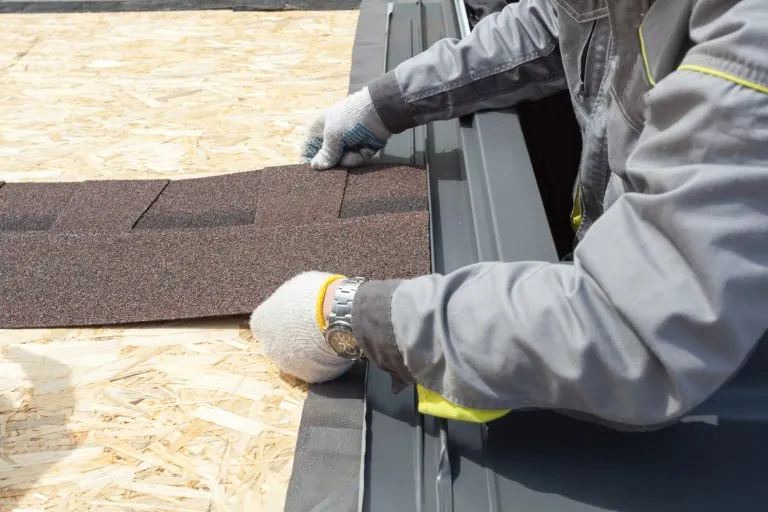
Replacing a roof is a major home improvement project, and one of the most common questions homeowners ask is: “How long will it take?” The answer depends on several factors including roof size, material, weather conditions, and complexity. Understanding the typical timeline can help you plan your project, coordinate with contractors, and reduce stress during the process.
This guide breaks down the roof replacement timeline step by step so you know what to expect from start to finish.
1. Initial Inspection and Planning (1–3 Days)
The first step in any roof replacement is a professional inspection. A contractor will:
- Assess the condition of your current roof
- Identify hidden damage (decking, underlayment, flashing)
- Measure the roof to determine material requirements
- Discuss material choices, colors, and design options
- Provide a detailed cost estimate and timeline
This stage ensures that the project is accurately scoped and helps avoid surprises during installation.
2. Ordering Materials (3–14 Days)
Once you approve the project, your contractor will order materials. Lead times vary depending on:
- Type of roofing material (asphalt shingles are readily available, metal or specialty tiles may take longer)
- Color and style availability
- Shipping and local supplier inventory
Ordering in advance ensures materials are on-site when the crew begins, preventing delays.
3. Preparing the Roof (1 Day)
Preparation includes:
- Setting up safety equipment (ladders, scaffolding, roof anchors)
- Covering landscaping, patios, and vehicles with protective tarps
- Inspecting the attic and structure for any pre-existing issues
A properly prepared roof protects your home and workers, and ensures a smooth installation.
4. Tear-Off of Old Roof (1–3 Days)
Removing the old roofing material is a crucial step. The timeline depends on:
- Roof size and number of layers
- Roof pitch and complexity
- Type of material being removed (shingles are quicker than tile or metal panels)
The crew will remove old shingles or roofing materials, dispose of debris, and inspect the decking for damage.
5. Repairing the Roof Decking (0–2 Days)
If the roof decking has any damage or rot, repairs must be completed before installation. Tasks include:
- Replacing damaged plywood or boards
- Securing loose boards
- Ensuring a flat, stable surface for new roofing
Skipping this step can compromise the lifespan and performance of the new roof.
6. Installing Underlayment (1 Day)
The underlayment acts as a secondary barrier against water infiltration. Installation involves:
- Rolling out synthetic or felt underlayment
- Overlapping layers correctly
- Installing ice and water shields along valleys and roof edges
Proper underlayment prevents leaks and extends roof life.
7. Installing New Roofing Material (1–5 Days)
The main installation phase varies by material:
Asphalt Shingles
- Most common and fastest to install
- 1–3 days for an average-sized home
Metal Roofing
- Panels or standing seam systems take longer
- 2–5 days depending on complexity
Tile or Slate Roofing
- Heavier and more labor-intensive
- 3–7 days or more depending on roof size
During installation, crews also add flashing, ridge caps, vents, and other essential components.
8. Cleanup and Final Inspection (1 Day)
After installation:
- Debris is removed, nails are swept from the yard
- Gutters are cleaned
- Final inspection ensures everything is installed correctly and meets local building codes
- Any minor adjustments or touch-ups are completed
9. Total Roof Replacement Timeline
Here’s a quick overview:
| Step | Duration |
|---|---|
| Inspection & Planning | 1–3 days |
| Ordering Materials | 3–14 days |
| Roof Preparation | 1 day |
| Tear-Off Old Roof | 1–3 days |
| Decking Repairs | 0–2 days |
| Underlayment Installation | 1 day |
| Roofing Material Installation | 1–5 days |
| Cleanup & Final Inspection | 1 day |
Average Total Time: 1–2 weeks for most homes. Large or complex roofs may take longer, while small, simple projects may be completed in just a few days.
Factors That Can Affect Timeline
- Weather: Rain, snow, and high winds can delay roofing work.
- Roof Size and Complexity: Larger roofs or multiple rooflines take more time.
- Material Choice: Asphalt shingles install faster than tile, slate, or metal.
- Crew Size and Experience: Experienced crews complete projects more efficiently.
- Permits and Inspections: Waiting for local permits or code inspections may add extra days.
Tips for a Smooth Roof Replacement
- Schedule the project during dry weather for fewer delays
- Keep the yard and driveway clear for contractors
- Communicate with your roofing company about start dates and material delivery
- Prepare for noise, dust, and temporary disruption
- Confirm warranty coverage and final inspection details
Final Thoughts
Most roof replacements are completed within 1–2 weeks, but factors like roof size, material, weather, and decking repairs can extend the timeline. Understanding each step—from inspection to final cleanup—helps homeowners plan, set expectations, and ensure a successful roof replacement.