
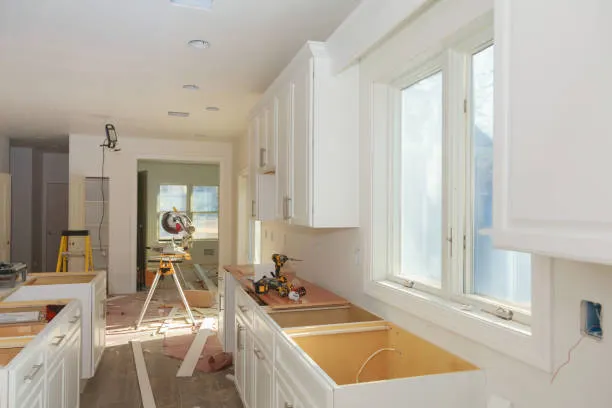
Home remodeling can transform your living space, enhance comfort, and increase property value. However, without careful planning, renovations can quickly become overwhelming, costly, and stressful.
This guide walks you through how to plan a home remodel step by step, from setting a realistic budget to hiring the right contractor, ensuring your project stays on track and within your means.
💰 Step 1: Set a Realistic Budget
The first step in any remodel is knowing how much you can spend. A solid budget should account for:
- Labor costs: Typically 30–50% of total expenses
- Materials and finishes: Cabinets, flooring, tiles, fixtures
- Permits and inspections: Required for structural, plumbing, or electrical work
- Contingency fund: 10–20% extra for unexpected issues
Tip: Break down your budget by room or project type to track expenses accurately.
🏠 Step 2: Define Your Goals and Priorities
Ask yourself:
- What problem am I solving with this remodel?
- Am I remodeling for resale or personal enjoyment?
- Which rooms or features are most important?
Setting clear priorities helps you focus spending on high-impact areas like kitchens, bathrooms, or living spaces, rather than spreading resources too thin.
📐 Step 3: Research and Design Your Remodel
Effective planning begins with research:
- Browse design ideas on Pinterest, Houzz, and home magazines
- Consider current trends, such as open-concept layouts, energy-efficient appliances, and smart home systems
- Decide on finishes, materials, and color schemes
Tip: Create a visual mood board to guide design decisions and communicate your vision to contractors.
🛠️ Step 4: Hire the Right Contractor
Choosing the right contractor is critical for a successful remodel. Here’s how:
- Get multiple quotes – Compare 3–5 contractors to find the best balance of quality and price.
- Check licenses and insurance – Ensure coverage for accidents and liability.
- Review references and past projects – Look for completed work similar to your remodel.
- Discuss timelines and payment terms – Establish clear expectations before work begins.
- Sign a detailed contract – Include scope of work, materials, timeline, and contingencies.
Tip: Communication is key—choose a contractor who listens and responds promptly.
⏳ Step 5: Set a Realistic Timeline
Remodeling takes time, and delays are common due to permits, material availability, or unexpected issues. Typical timelines:
- Minor updates: 2–4 weeks
- Kitchen or bathroom remodel: 6–12 weeks
- Whole-home renovation: 6–12 months
Include buffer time in your schedule to avoid stress.
🔍 Step 6: Obtain Permits
Certain remodeling projects require permits:
- Structural changes
- Electrical or plumbing work
- Room additions
Failing to secure permits can result in fines or complications when selling your home. Always check local regulations.
📝 Step 7: Track Progress and Stay Flexible
During the remodel:
- Hold regular check-ins with your contractor
- Document changes and approvals
- Monitor spending to stay on budget
- Be prepared to make minor adjustments
Flexibility helps handle unexpected issues without derailing the entire project.
💡 Step 8: Plan for Temporary Living Adjustments
Major remodels, especially kitchens and bathrooms, can disrupt daily routines:
- Set up temporary cooking areas
- Adjust bathroom schedules if multiple bathrooms exist
- Protect furniture and floors from dust and debris
Planning ahead keeps your household running smoothly.
🏡 Step 9: Review and Final Walkthrough
Once the remodel is complete:
- Inspect all work carefully
- Ensure materials and finishes match specifications
- Verify appliances and systems work correctly
- Address any punch list items before final payment
A thorough walkthrough ensures you’re satisfied and avoids future disputes.
⭐ Final Thoughts
Planning a home remodel successfully requires:
- Clear budgeting and priorities
- Thorough research and design
- Hiring reliable contractors
- Setting realistic timelines and expectations
By following these steps, homeowners can avoid costly mistakes, complete renovations efficiently, and create a home that’s functional, beautiful, and valuable.