
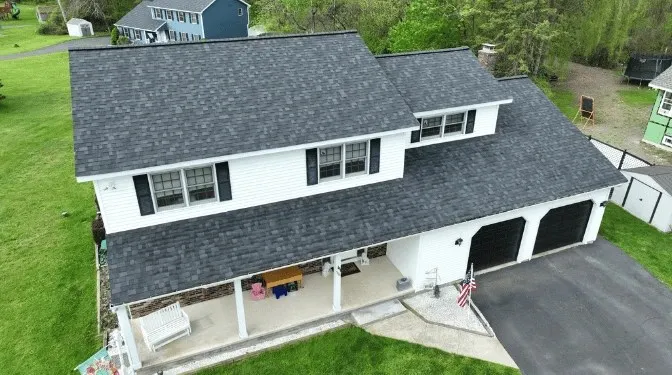
Your roof plays a vital role in protecting your home from the elements, maintaining energy efficiency, and adding to your property’s curb appeal. However, no roof lasts forever. When your old roof starts showing signs of wear, leaks, or damage, a roof replacement becomes essential to keep your home safe and sound.
Replacing a roof might sound overwhelming, but with the right approach, it can be a smooth and stress-free process. This step-by-step roof replacement guide will walk you through everything — from the initial inspection to the final installation — so you know exactly what to expect.
🔹 Step 1: Roof Inspection and Assessment
The first step in any roof replacement project is a thorough inspection. This helps determine whether your roof needs repairs or a complete replacement.
What to Check:
- Missing, cracked, or curling shingles
- Leaks or water stains inside the attic
- Sagging roof structure
- Mold, moss, or algae growth
- Damaged flashing or gutters
👉 Tip: It’s best to hire a professional roofing contractor for an inspection. They can identify hidden problems and provide an accurate assessment of your roof’s condition.
🔹 Step 2: Get Multiple Roofing Estimates
Once you’ve confirmed that a replacement is needed, the next step is to gather quotes from at least three licensed roofing contractors.
What to Compare:
- Material and labor costs
- Warranty details
- Project timeline
- Reputation and customer reviews
Avoid choosing solely based on the lowest price — quality materials and experienced workmanship ensure long-term protection.
🔹 Step 3: Choose the Right Roofing Material
Selecting the right roofing material is crucial for the durability and look of your new roof. Common options include:
| Material | Lifespan | Cost Range (2025) | Pros |
|---|---|---|---|
| Asphalt Shingles | 20–30 years | $5,000–$10,000 | Affordable, versatile |
| Metal Roofing | 40–70 years | $10,000–$20,000 | Long-lasting, energy-efficient |
| Clay/Concrete Tile | 50–100 years | $15,000–$30,000 | Elegant, fire-resistant |
| Slate | 75–100+ years | $20,000–$45,000 | Extremely durable, stylish |
| Synthetic Roofing | 40–50 years | $10,000–$18,000 | Lightweight, eco-friendly |
Consider your budget, climate, and home design when making your choice.
🔹 Step 4: Prepare for the Roof Replacement
Before installation day, proper preparation helps avoid delays and protect your property.
Homeowner Checklist:
- Clear your driveway and yard for material delivery.
- Move vehicles, outdoor furniture, and fragile items away from the work area.
- Protect attic items with plastic sheets to catch falling debris.
- Notify neighbors about the upcoming noise and activity.
Safety and organization during this stage make the process smoother for everyone involved.
🔹 Step 5: Removing the Old Roof
Roof replacement begins with the tear-off phase, where the old roofing materials are removed.
What Happens:
- Contractors strip away shingles, nails, and underlayment.
- The old roofing debris is collected and properly disposed of.
- The roof deck (wood sheathing underneath) is inspected for rot or damage.
👉 Tip: If damaged decking is found, it must be repaired or replaced before installing new materials to ensure a solid foundation.
🔹 Step 6: Roof Deck Preparation
After the old materials are removed, contractors prepare the roof deck for installation.
Key Steps:
- Replace rotten or soft wood sections.
- Apply underlayment (a waterproof barrier that protects against leaks).
- Install flashing around chimneys, vents, and valleys to prevent water intrusion.
A properly prepared deck ensures your roof performs well under all weather conditions.
🔹 Step 7: Installing the New Roofing Material
This is the most crucial and time-consuming part of the process — the installation of new roofing materials.
What’s Involved:
- Roofers lay down the new shingles, tiles, or panels.
- Proper sealing and alignment are ensured for weather resistance.
- Ridge vents, drip edges, and other components are installed.
- The entire roof is inspected for uniformity and quality.
A professional crew typically completes an average roof replacement in 1–3 days, depending on the size and material.
🔹 Step 8: Final Inspection and Cleanup
Once the installation is complete, your roofing contractor will conduct a final inspection to ensure everything is properly installed and sealed.
Final Steps:
- Check for proper ventilation and flashing installation.
- Remove leftover nails, shingles, and debris from the site.
- Review the completed work with the homeowner.
- Provide warranty documentation for materials and labor.
After cleanup, your property should look just as tidy as before — but with a brand-new, durable roof overhead.
🔹 Step 9: Regular Roof Maintenance
To extend the lifespan of your new roof, schedule annual inspections and perform routine maintenance.
Maintenance Tips:
- Clean gutters and downspouts regularly.
- Remove debris, branches, and moss buildup.
- Check flashing and vents for damage after storms.
- Repair small issues promptly to avoid costly repairs later.
With proper care, your new roof can last for decades, providing lasting protection and beauty.
🏠 Final Thoughts
A roof replacement is a significant investment, but it’s also one of the best ways to protect your home, increase energy efficiency, and boost property value.
By following this step-by-step roof replacement guide, you’ll know what to expect at each stage — from the first inspection to the final installation.
Choosing a trusted roofing contractor and investing in high-quality materials will ensure your new roof stands the test of time.