
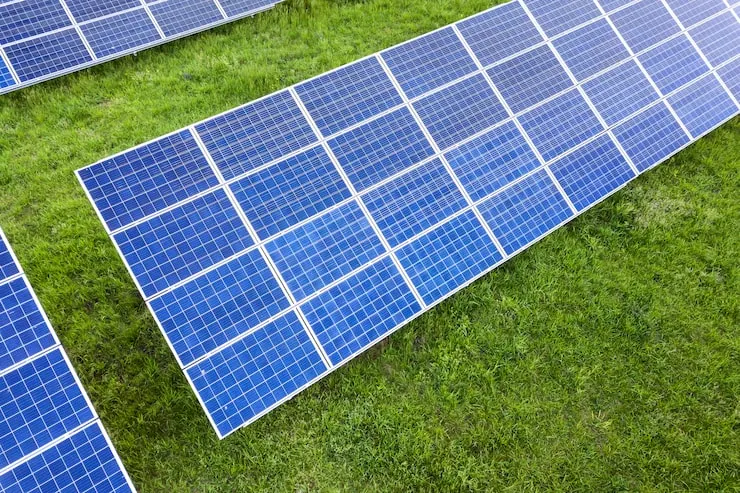
A solar power system is much more than just solar panels. To convert sunlight into usable electricity and store it effectively, you need a combination of essential components—solar inverters, batteries, and charge controllers. Each plays a unique role in managing energy flow, improving efficiency, and ensuring your system operates safely and reliably.
Whether you are installing a grid-tied system, hybrid system, or going fully off-grid, understanding these components helps you make better decisions and maximize your solar investment. This guide breaks down each part in simple, clear terms.
1. What Is a Solar Inverter?
The Heart of Your Solar System
A solar inverter is a device that converts DC (direct current) from your solar panels into AC (alternating current)—the type of electricity your home appliances use.
Why You Need an Inverter
- Converts DC to AC
- Optimizes solar power production
- Monitors system performance
- Ensures safe grid interaction
- Manages batteries (in hybrid/off-grid systems)
Types of Solar Inverters
1. String Inverters
Panels are connected in a series (“string”) to a single inverter.
Pros:
- Lower cost
- Easy maintenance
- Reliable for sunny, unshaded homes
Cons:
- Shade on one panel reduces whole string’s output
2. Microinverters
Each panel has its own mini inverter.
Pros:
- Best for shaded roofs
- Maximizes individual panel performance
- Easier system expansion
Cons:
- Higher upfront cost
3. Hybrid (Battery-Ready) Inverters
Combine the functionality of solar + battery in one device.
Pros:
- Supports grid + battery + solar
- Perfect for backup power
- High efficiency
Cons:
- More expensive than string inverters
4. Off-Grid Inverters
Used in systems without utility grid connection.
Pros:
- Purely independent power supply
Cons:
- Must be correctly sized to avoid overload
2. Understanding Solar Batteries
Why Batteries Matter
Solar batteries store excess solar power for later use—especially valuable during:
- Nighttime
- Power outages
- Cloudy days
- High electricity rate periods
They provide energy independence, stability, and control over your consumption.
Types of Solar Batteries
1. Lithium-Ion Batteries (LiFePO4)
The most popular modern solar battery type.
Pros:
- Long lifespan (10–15 years)
- Deep discharge capability
- Fast charging
- Compact and lightweight
- High efficiency (90–95%)
Cons:
- Higher cost upfront
2. Lead-Acid Batteries
Traditional and budget-friendly.
Types:
- Flooded
- AGM
- Gel
Pros:
- Affordable
- Reliable for off-grid systems
Cons:
- Shorter lifespan
- Requires more maintenance
- Lower depth of discharge (50%)
3. Saltwater Batteries
An emerging eco-friendly option.
Pros:
- Non-toxic, safe
- Long cycle life
Cons:
- Limited availability and higher cost
Key Battery Terms to Know
1. Capacity (kWh)
How much energy the battery can store.
2. Depth of Discharge (DoD)
Percentage of battery that can be safely used.
3. Cycle Life
How many charge/discharge cycles the battery can complete.
4. Round-Trip Efficiency
How much stored energy can be retrieved.
3. What Is a Solar Charge Controller?
A charge controller regulates the voltage and current coming from solar panels to the battery. It protects the battery from:
- Overcharging
- Over-discharging
- Excessive current
- Voltage fluctuations
Without a charge controller, batteries can be permanently damaged.
Types of Charge Controllers
1. PWM (Pulse Width Modulation) Controllers
Pros:
- Affordable
- Simple design
Cons:
- Less efficient (70–80%)
- Not ideal for large systems
2. MPPT (Maximum Power Point Tracking) Controllers
Pros:
- Highest efficiency (95–98%)
- Maximizes panel performance
- Works well in cloudy weather and cold climates
Cons:
- Higher cost
Most modern systems use MPPT controllers.
How These Components Work Together
A complete solar system works like this:
- Solar panels collect sunlight and generate DC power.
- The charge controller regulates current going into the batteries.
- Batteries store energy for later use.
- The solar inverter converts DC power into AC power for your home.
- Excess power can be sent to the grid or stored in batteries depending on your setup.
Grid-Tied vs. Off-Grid vs. Hybrid Systems
1. Grid-Tied Systems
- No batteries or charge controllers needed
- Most affordable option
- Uses string or microinverters
2. Off-Grid Systems
- Requires batteries + charge controller + off-grid inverter
- Must be sized carefully
- Complete independence from the utility grid
3. Hybrid Systems
- Uses hybrid inverter + batteries + charge controller
- Provides backup power
- Best mix of savings and energy security
Choosing the Right Components
When selecting inverters, batteries, and charge controllers, consider:
- Your energy consumption
- Grid reliability in your area
- Budget and long-term goals
- Roof space and sunlight availability
- Desire for backup power
- Expandability for future energy needs
Final Thoughts
Understanding how solar inverters, batteries, and charge controllers work helps you design a system that’s efficient, reliable, and tailored to your needs. Whether you want a simple grid-tied setup or a fully independent off-grid system, choosing the right components ensures long-term performance and maximum savings.